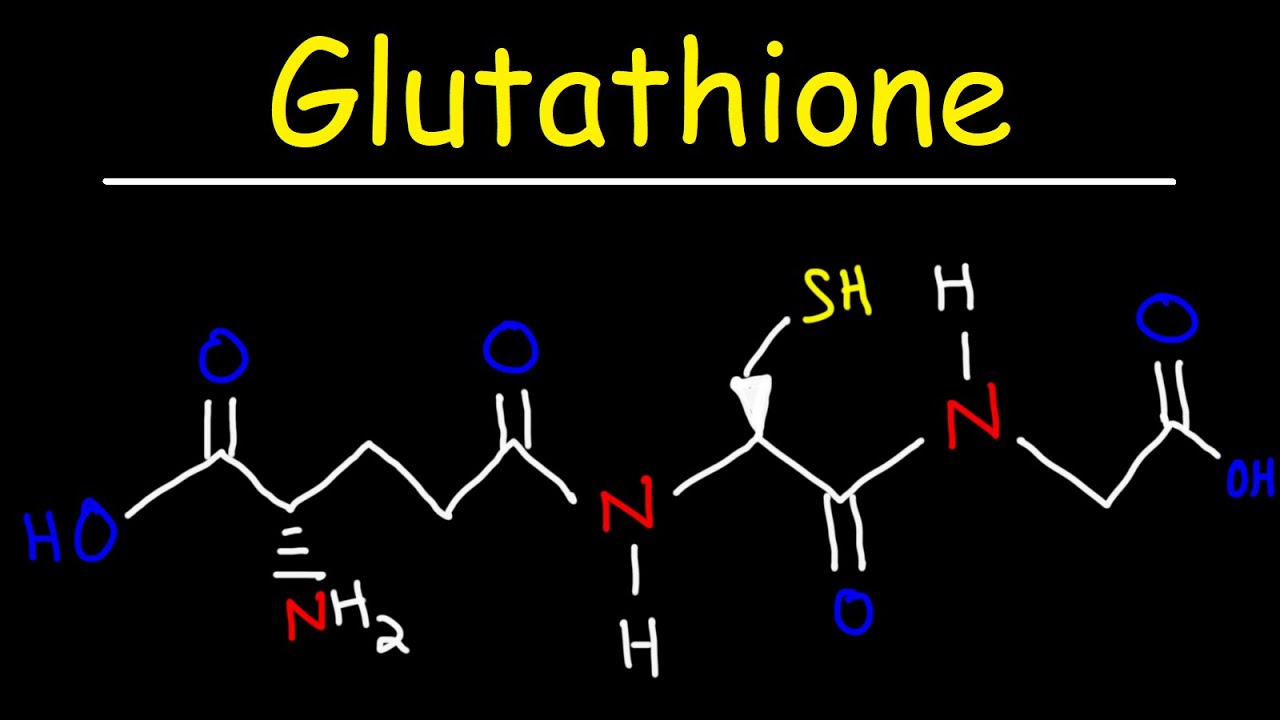
L-Glutathione powder is commonly found in supplements, skincare and food products. Although it is naturally found in the human body, large-scale production is only possible in a controlled factory environment. Current manufacturing is based on biological processes rather than mere extraction. Within a Glutathione Factory, every step will be designed to guarantee purity, uniformity, and safety. Starting with raw materials to final packaging, there is a proper order of doing things to enable the manufacturers to satisfy the demand of the world without hindering the quality.
Raw Material Preparation
Preparation of the basic inputs for synthesis is the first step in the production process. They include nutrients that are conducive to the growth of microbes, e.g., glucose and specific amino acids. The quality of such materials is a critical issue because it determines the final product. Raw materials are actually tested prior to use in factories such as GSH World to make sure that they conform to specifications, which helps maintain consistency among the batches.
Microbial Culture Development
The next step is preparing microorganisms capable of producing glutathione. They are typically bacterial or yeast strains selected for their rapid growth and stable output. Scientists then manipulate the strains in a way that they are able to produce more glutathione. Extreme care is necessary in this step so that the cultures are not inactivated and not contaminated.
Fermentation Process
The most important step of production is fermentation. The ready microorganisms are placed in large tanks, where they are supplied with nutrients under controlled conditions. The temperature, oxygen and pH are regulated to provide an optimal environment. At this stage, microorganisms break down nutrients into glutathione through natural metabolic processes.
Process Monitoring
During the fermentation, the process is monitored. The sensors monitor critical conditions and enable operators to make necessary changes. This is to avoid any variations that may affect product quality. Stable monitoring also ensures that the microorganisms remain productive throughout the fermentation cycle.
Harvesting the Mixture
After fermentation, the liquid mixture contains glutathione and other biomaterials. This mixture is then collected for further processing. The timing is a consideration because harvesting too late or too early can affect the yield and purity of the compound.
Separation and Filtration
The mixture is subjected to separation processes after harvesting. The undesirable solids are filtered out, and the liquid, which has glutathione, is separated. The step will help minimize impurities before purification begins. Controlled filtration systems are applied at facilities like GSH World to ensure product integrity at this stage.
Purification Stage
The emphasis in purification is to isolate glutathione from other compounds in the solution. High-purity levels are achieved through techniques such as crystallization and membrane separation. The significance of this stage is that the end product should be of high quality to allow its use in supplements and other applications.
Drying and Powder Formation
The glutathione is purified and then converted into powder. Drying processes remove moisture but leave the compound intact. The outcome is fine powder, easy to handle and can be used in various formulations. This form is highly preferred due to its suitability for capsules, tablets, or mixed products.
Quality Testing
Before launching the product, it is tested to confirm its purity, safety and consistency. Every batch is examined to ensure it meets the required standard. This is to make the glutathione powder work as desired in its final application. GSH World conducts routine testing to ensure that every batch meets the specifications.
Packaging and Storage
Upon approval, the powder is packed under controlled conditions to avoid contamination. Packaging materials are selected to ensure that the product is not affected by moisture and light. Adequate storage also contributes to stability both during transportation and extended usage.
Applications of the Final Product
The developed glutathione powder finds application in various industries. It is fortified into dietary supplements, skincare and functional foods. It is a common ingredient in formulations focused on general wellness and product development due to its flexibility. Suppliers, such as GSH World, offer large quantities, enabling manufacturers to increase or decrease production in response to demand.
Consistency in Large-Scale Production
The industrial production of glutathione needs uniformity in all steps. Minor changes can affect the end product, which is why factories use controlled systems and procedures that are repeatable. Stable conditions allow manufacturers to produce similar batches over the long term.
Conclusion
L-Glutathione powder is manufactured in a factory in a controlled process, from start to finish. Every process, such as preparing the microbes, drying and testing, plays a role in quality control. Modern technology can produce large quantities of L-Glutathione, but it is done with purity in mind. These factory processes are still required to provide a stable, steady supply of glutathione, as demand keeps rising.